
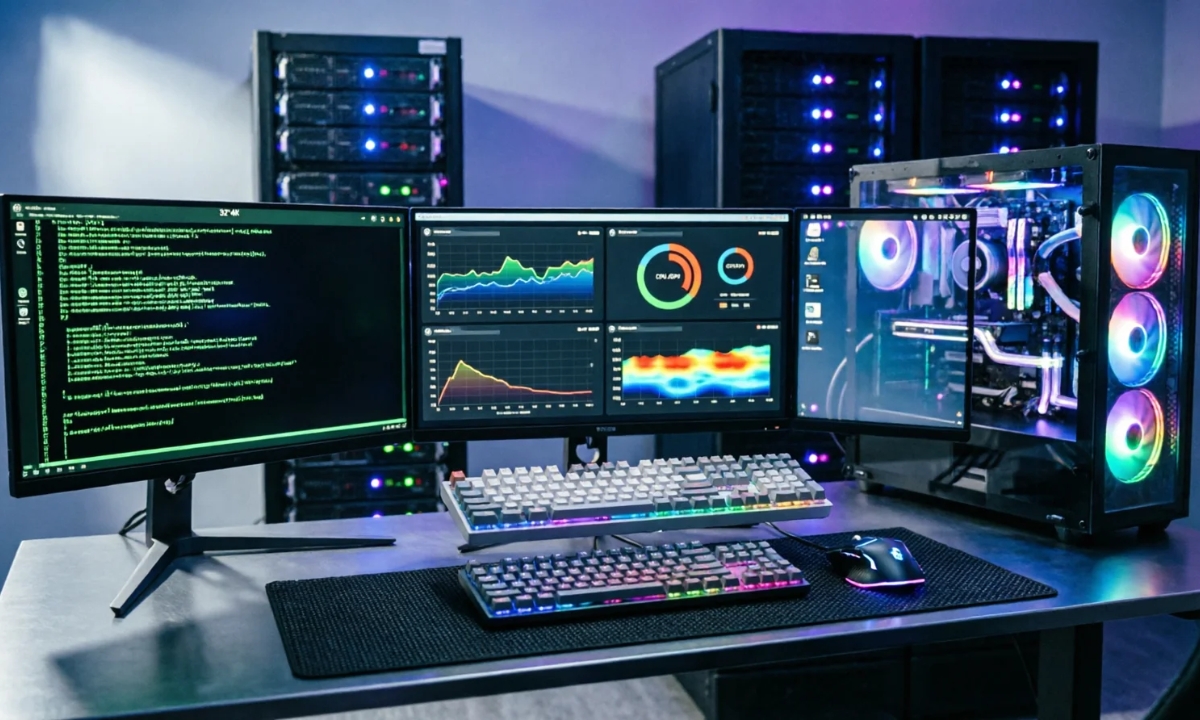

Gaming on Linux has moved from being a niche hobby to becoming a serious option for players who want speed, customization, and better control over their systems. In 2026, more gamers are searching for practical ways to improve frame rates, reduce latency, and get smoother gameplay without expensive hardware upgrades. That is where Tech Hacks PBLinuxGaming becomes valuable.
This guide covers proven Linux gaming techniques that help optimize performance across different hardware setups. From selecting the right distribution to tuning graphics settings and maintaining system health, these methods focus on real-world improvements rather than shortcuts. Whether you are building a dedicated gaming PC or improving an existing setup, these recommendations can help create a faster and more stable experience.
You will learn how to configure your environment, avoid common slowdowns, and maintain consistent performance over time.
Bio Table
| Topic | Details |
| Focus Keyword | Tech Hacks PBLinuxGaming |
| Category | Linux Gaming Optimization |
| Target Audience | U.S. Gamers |
| Main Goal | Better Performance & Stability |
| Platforms | Linux Gaming Systems |
| Core Areas | Graphics, CPU, Memory, Game Compatibility |
| Experience Level | Beginner to Advanced |
| Updated | 2026 |
Why Linux Gaming Feels Exciting in 2026
Linux gaming has improved rapidly over the last several years. Better hardware support, improved graphics drivers, and stronger game compatibility tools have made the platform more practical for everyday players. Major game engines now support Linux environments more effectively, reducing setup friction.
Another reason Linux feels exciting is system efficiency. Unlike heavier operating systems, Linux allows users to control background processes and allocate more resources toward gaming. This often creates smoother frame delivery and lower system overhead.
The growth of open-source gaming communities has also accelerated development. Players now share optimization methods, compatibility fixes, and benchmarking results that help newcomers improve performance quickly. Tech Hacks PBLinuxGaming takes advantage of these advances by focusing on realistic system improvements.
Choosing a Good Starting Point for Your System
A successful Linux gaming setup starts with selecting the right environment. Different distributions offer different strengths depending on hardware, driver support, and update preferences.
For beginners, stable distributions with strong package support often reduce troubleshooting time. More advanced users may prefer rolling-release environments that deliver newer graphics drivers and gaming packages faster.
Storage also matters. Installing games on SSD or NVMe drives can reduce loading times significantly compared with older hard drives. Separating the operating system from game libraries may improve maintenance and recovery.
Another important factor is desktop environment selection. Lightweight environments typically consume fewer resources, leaving more memory available for games.
Setting Up the Main Tool for Running Games
One of the most important steps in Tech Hacks PBLinuxGaming is configuring a reliable compatibility and launch environment.
Game launch tools have improved dramatically in recent years. Modern compatibility layers now support thousands of titles with better graphics translation and lower overhead than earlier generations.
Configuration matters. Users should enable performance-related options carefully and avoid installing unnecessary extensions that increase complexity. Testing settings individually produces more reliable results than changing multiple variables simultaneously.
Game-specific launch parameters can also improve stability. Small adjustments to rendering behavior, caching, and startup options sometimes produce measurable frame improvements.
Monitoring tools help verify results. Tracking CPU usage, memory pressure, frame pacing, and GPU load provides useful insight before making additional changes.
Making Your Graphics Work Their Best
Graphics performance remains one of the largest factors in Linux gaming success. Updating drivers consistently helps maintain compatibility with modern game engines and reduces rendering issues.
Resolution scaling can provide noticeable gains. Running games slightly below native resolution while maintaining image quality often delivers smoother frame rates.
Texture settings should match available VRAM. Excessive texture allocation may lead to stutters and inconsistent frame delivery.
Advanced users can tune shader caching and rendering pipelines to reduce loading interruptions. Testing each change individually makes it easier to identify what produces meaningful improvements.
Keeping graphics temperatures under control also matters. Stable thermals support longer gaming sessions and prevent automatic performance reductions.
Helping Your Processor and Memory Stay Strong
CPU performance affects simulation speed, loading behavior, and frame consistency. Gaming systems perform best when unnecessary background tasks remain limited.
Memory optimization starts with understanding usage patterns. Closing unused applications and monitoring memory pressure reduces swapping and improves responsiveness.
Processor scheduling tools can sometimes help prioritize gaming workloads. However, aggressive tuning without testing may introduce instability.
Fast storage and adequate RAM work together to minimize loading delays. Modern games increasingly benefit from balanced hardware rather than focusing entirely on graphics upgrades.
Regular system monitoring allows users to detect thermal limits, storage bottlenecks, and inefficient resource allocation before they impact gameplay.
Avoiding Common Mistakes That Slow You Down
Many players install too many tweaks at once. This often makes troubleshooting difficult and can reduce performance rather than improve it.
Another common issue is mixing incompatible packages and outdated drivers. Consistent software management usually produces better long-term results.
Ignoring system updates may lead to compatibility problems with newer game releases. Updates should be tested carefully instead of applied blindly.
Running excessive overlays, background recording tools, and monitoring utilities can increase overhead. Minimal configurations often provide better results.
Tech Hacks PBLinuxGaming emphasizes measured optimization instead of stacking every available tweak.
Smart Ways to Get Even More Speed
Performance gains often come from small improvements combined together.
Lowering unnecessary visual effects can create smoother gameplay without reducing overall quality dramatically. Frame limiting may also improve consistency by preventing unnecessary spikes.
Storage organization plays an important role. Keeping enough free space on SSDs helps maintain read and write performance.
Advanced users sometimes experiment with kernel tuning and process prioritization, but testing should always come first.
Benchmarking before and after adjustments creates objective measurements and prevents placebo optimization.
Use this artical : Car Dealership with Hearing Loop Near You – Easy & Accessible Buying
Keeping Everything Running Well for a Long Time
Long-term performance depends on maintenance. Systems that remain clean and updated usually perform more consistently.
Schedule regular driver reviews and remove unused packages periodically. Monitor temperatures and clean cooling components when needed.
Backup important configurations before major updates. Recovery plans reduce downtime if problems appear.
Document successful settings so they can be restored later. This becomes increasingly useful as game libraries grow.
Tech Hacks PBLinuxGaming is not about one-time changes—it is about building a sustainable gaming environment that continues performing well throughout 2026 and beyond.
Frequently Asked Questions
What is Tech Hacks PBLinuxGaming?
Tech Hacks PBLinuxGaming refers to Linux gaming optimization methods focused on performance, stability, and smoother gameplay.
Does Linux improve gaming performance?
In some cases, Linux can reduce system overhead and improve responsiveness depending on hardware and game compatibility.
Do I need expensive hardware for Linux gaming?
No. Proper configuration and optimization often improve existing hardware performance.
Which storage option works best for gaming?
SSD and NVMe storage generally deliver faster loading and better responsiveness.
How often should I optimize my Linux gaming system?
Review updates and performance every few weeks rather than making constant changes.
Conclusion
Linux gaming continues to grow because it offers flexibility, performance control, and powerful customization opportunities. With the right setup strategy, players can achieve smoother gameplay and better long-term system health without unnecessary upgrades.
This Tech Hacks PBLinuxGaming guide covered practical methods including selecting a solid foundation, optimizing graphics, managing processor resources, avoiding common mistakes, and maintaining performance over time. Small improvements applied consistently often create the biggest results.
For gamers who want more control and stronger efficiency in 2026, Linux remains one of the most exciting platforms to explore.

