
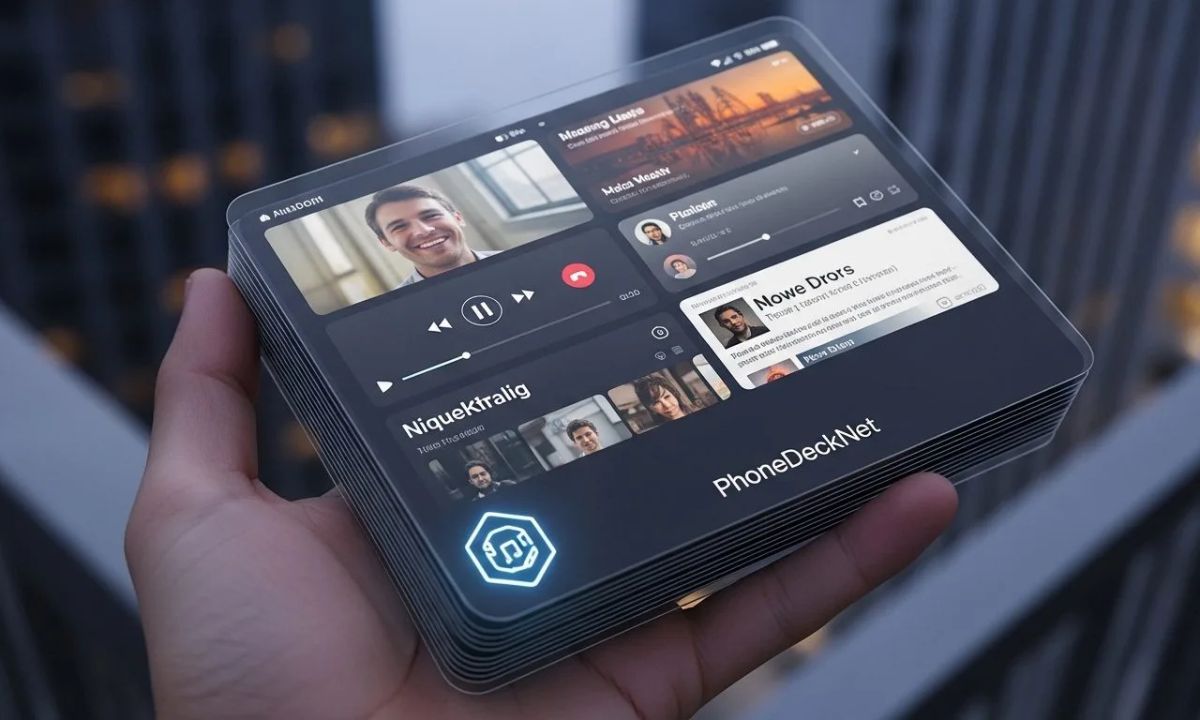

In today’s digital-first world, mobile devices have become the center of communication, entertainment, and content creation. The term PhoneDeckNet has started gaining attention as a modern concept that blends mobile technology, media distribution, and fast content sharing into one connected system. Whether you are a creator, marketer, business owner, or casual smartphone user, understanding Media #PhoneDeckNet can help you see how information now moves faster than ever.
From short-form videos and social media posts to digital presentations and content decks, PhoneDeckNet represents a smarter way to organize and distribute media through mobile platforms. This guide explains what PhoneDeckNet means, why it matters, how it works, and what future trends may shape its growth. You’ll also learn how creators and brands use it to stay visible in an increasingly mobile-driven media landscape.
Bio Table
| Category | Details |
| Focus Keyword | PhoneDeckNet |
| Industry | Media Technology |
| Main Function | Mobile Media Sharing & Distribution |
| Primary Users | Creators, Brands, Businesses, Consumers |
| Core Technologies | Cloud Storage, AI Automation, Mobile Apps |
| Key Benefits | Fast Sharing, Better Reach, Real-Time Connectivity |
| Growth Trend | Increasing with mobile-first media consumption |
What Does Media #Phone DeckNet Really Mean?
Media #PhoneDeckNet refers to a digital ecosystem where mobile devices act as the primary channel for creating, organizing, and distributing media content. The term combines three ideas: phone, representing smartphones; deck, meaning organized content collections such as slides, portfolios, or media kits; and net, symbolizing the internet-based network that enables sharing.
In simple terms, PhoneDeckNet allows users to package content into accessible digital “decks” that can be viewed, shared, and updated instantly through smartphones. These decks may include images, videos, documents, links, product catalogs, and promotional materials.
The rise of PhoneDeckNet aligns with broader mobile usage trends. According to industry reports, more than 85% of Americans own smartphones, and mobile devices now generate over 60% of global internet traffic. This shift explains why media distribution strategies increasingly prioritize mobile-first experiences. Businesses no longer design content only for desktops; they optimize for phone viewing because audiences consume media on the go.
Why Phones Changed Everything for Media
Before smartphones became common, media consumption depended heavily on television, radio, newspapers, and desktop computers. Information moved slower, and user interaction remained limited. Smartphones changed that by placing content creation and consumption tools directly into people’s hands.
Today, anyone with a phone can record a video, edit it, add graphics, and publish it to millions of viewers within minutes. Platforms such as YouTube, TikTok, Instagram, and Snapchat transformed how people communicate. Media became instant, interactive, and highly personalized.
The economic impact is massive. Mobile advertising spending in the United States exceeded hundreds of billions of dollars in recent years. Brands now invest heavily in vertical video, mobile-native campaigns, and personalized content delivery. Much like how financial metrics such as earnings, income, salary, and net worth indicate success for public figures, engagement metrics such as watch time, clicks, and retention now measure media performance. Phones turned every user into both a consumer and a creator.
How Media #PhoneDeckNet Makes Sharing Super Easy
One of the biggest strengths of Media #PhoneDeckNet is simplicity. Traditional file sharing often involved email attachments, large downloads, and version confusion. PhoneDeckNet reduces these problems by offering centralized, cloud-based media decks accessible through a single link or QR code.
Imagine a content creator building a digital portfolio. Instead of sending separate files, they create a deck containing biography details, career highlights, achievements, awards, physical stats, lifestyle content, and collaboration history. Clients can instantly access everything from a smartphone.
This approach improves speed and convenience. Updates happen in real time, meaning creators can edit content without resending files. Marketing teams benefit as well. Sales decks, product demos, brand stories, and campaign analytics remain current and easy to distribute. This efficiency is why many professionals prefer deck-based mobile sharing over traditional document systems.
The Special Parts That Make Media #PhoneDeckNet Work Well
Several core technologies power PhoneDeckNet. First is cloud infrastructure, which stores media securely while enabling instant access. Cloud providers such as Amazon Web Services, Google Cloud, and Microsoft Azure support scalable delivery for millions of users.
Second is AI automation. Artificial intelligence improves tagging, search, recommendations, and personalization. AI can analyze user behavior and prioritize relevant content, improving engagement. For example, if someone frequently watches creator biography videos or career highlight reels, algorithms can surface similar media automatically.
Third is mobile optimization. PhoneDeckNet systems prioritize responsive design, fast loading speeds, and touch-friendly navigation. This matters because user retention drops sharply if mobile content loads slowly. Studies suggest even a one-second delay can reduce engagement significantly. Together, cloud, AI, and mobile UX create a seamless experience.
How People Use Media #PhoneDeckNet Every Day
Everyday use cases for PhoneDeckNet are expanding rapidly. Social media influencers use it to showcase sponsorship decks, audience analytics, earnings estimates, and partnership opportunities. Public figures often organize biography details, career milestones, brand collaborations, and achievements into mobile-friendly formats.
Businesses use PhoneDeckNet for product launches, internal training, and customer onboarding. A company can share a sales presentation, product guide, or media kit directly to a customer’s phone. This eliminates friction and speeds decision-making.
Educational institutions also benefit. Teachers distribute lesson decks, training videos, and interactive resources through mobile platforms. Students gain easy access anywhere. Meanwhile, journalists use mobile decks to compile breaking news timelines, source documents, and multimedia evidence. The versatility of PhoneDeckNet makes it useful across industries.
What Makes Media #PhoneDeckNet Different from Other Ways
Traditional media systems often separate storage, presentation, and communication. A user may store files in one app, edit them in another, and share through email or messaging. PhoneDeckNet combines these steps into a unified workflow.
This integration creates significant advantages. First, users save time. Second, audiences receive cleaner experiences. Instead of multiple downloads, viewers access a structured deck with clear navigation. This improves retention and professionalism.
Another key difference is personalization. PhoneDeckNet can tailor content based on audience behavior. For example, a recruiter reviewing a creator profile might first see biography, early life details, career highlights, awards, and income estimates. A brand partner may instead prioritize audience demographics, engagement rates, and collaboration history. That flexibility sets PhoneDeckNet apart from static PDFs or standard websites.
Tips Creators Think About When Making These Decks
Creators understand that presentation affects credibility. A strong PhoneDeckNet deck should be visually clean, mobile-friendly, and easy to navigate. Clutter reduces engagement, so creators focus on concise storytelling.
Content prioritization matters. Most creators highlight their biography, early life, career highlights, relationships, lifestyle, achievements, and influence in structured sections. Financial details like salary, earnings, income, and estimated net worth may also appear in business-oriented decks, especially for media personalities and influencers.
Creators also think about analytics. Which slides get viewed most? Where do viewers stop scrolling? These insights help optimize future decks. Many professionals continuously refine layouts using engagement data. The best decks feel informative yet effortless to browse on a smartphone screen.
How Media #PhoneDeckNet Helps Everyone Stay Connected
Connectivity is one of the most powerful benefits of Media #PhoneDeckNet. It enables instant communication across geographic boundaries. Whether someone is in New York, Los Angeles, Chicago, or a rural town, they can access the same media experience from a phone.
This matters for global collaboration. Teams working across time zones can review updated decks without scheduling meetings. Media organizations can distribute breaking news instantly. Brands can launch campaigns worldwide within seconds.
PhoneDeckNet also strengthens community engagement. Fans can follow creators, access exclusive media, and interact directly through mobile experiences. This creates deeper relationships between brands and audiences. In many ways, PhoneDeckNet reflects the future of digital communication—faster, more visual, and highly interactive.
Use this artical : FeedBuzzard Code – How to Get, Use & Activate It Easily
What Might Come Next for Media #PhoneDeckNet
The future of PhoneDeckNet looks promising as new technologies continue reshaping digital media. Artificial intelligence will likely automate more deck creation tasks, from layout generation to personalized recommendations. This will save time while improving user experiences.
Augmented reality and mixed reality may also become major additions. Future media decks could include 3D product previews, immersive storytelling, and interactive virtual presentations. Imagine browsing a product deck and seeing a realistic 3D object appear in your room through your phone camera.
Meanwhile, stronger data analytics will help creators and businesses understand audiences more deeply. Public estimates suggest mobile media consumption will keep rising throughout the decade. As smartphone hardware improves and 5G expands, Media #PhoneDeckNet could become a standard model for digital communication and content delivery.
Frequently Asked Questions
1. What is PhoneDeckNet used for?
PhoneDeckNet is used for organizing and sharing mobile-friendly media content such as presentations, portfolios, videos, and brand decks through smartphones.
2. Is PhoneDeckNet only for businesses?
No. Businesses use it heavily, but creators, educators, journalists, and everyday users can also benefit from PhoneDeckNet.
3. How is PhoneDeckNet different from a regular website?
Unlike traditional websites, PhoneDeckNet focuses on structured mobile-first content decks optimized for fast sharing and easy navigation.
4. Does PhoneDeckNet use AI?
Yes. Many PhoneDeckNet systems use AI for recommendations, analytics, automation, and personalized content delivery.
5. Why is PhoneDeckNet becoming popular in the U.S.?
Its popularity is growing because Americans increasingly consume media on smartphones, making mobile-first sharing more important than ever.
Conclusion
Media #PhoneDeckNet represents a major shift in how digital content is created, shared, and consumed. By combining mobile devices, structured media decks, and internet connectivity, PhoneDeckNet offers a fast, efficient, and highly interactive way to communicate. Its value extends across industries—from creators and educators to businesses and media organizations.
As AI, cloud computing, and mobile technologies continue evolving, PhoneDeckNet is positioned to become even more influential. For anyone looking to stay competitive in today’s digital ecosystem, understanding PhoneDeckNet is no longer optional—it is increasingly essential.

